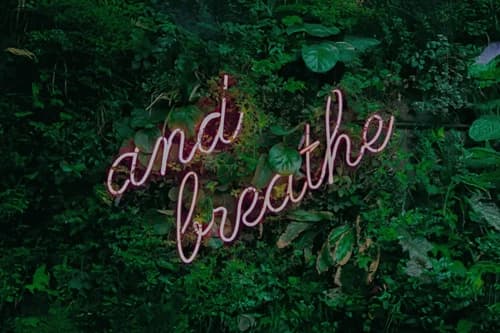
With the heightened stress and anxiety many people are experiencing during the COVID-19 pandemic, I felt it was important to touch on a topic that has been shown to help reduce stress. And that is the importance of breath.
We are always breathing. There are times when you may notice it more – like during strenuous exercise, or perhaps when falling asleep. For the most part though, it is something we do subconsciously and goes unnoticed as we move through our day.
But what if we made a conscious effort to focus on it?
Diaphragmatic breathing is one way to go about that.
Before we dive into how to perform this type of breathing, it is important to understand the role of the diaphragm itself. The diaphragm is a dome shaped muscle below our lungs, and plays a large part in breathing. When we inhale, the diaphragm contracts and moves downward making room in your chest for your lungs to inflate. When we exhale your diaphragm relaxes and moves upward.
As mentioned above, one of the greatest benefits of diaphragmatic breathing is reducing stress, which goes without saying; chronic stress is not good for our health. So, relearning to breathe this way is important. I say “relearning” because we are born breathing from our diaphragm. Have you ever watched a newborn breathe? They really take advantage of their diaphragm, as their bellies largely expand and relax. For some reason, as we get older, we start taking more shallow breathes and no longer use our diaphragm to its full capacity.
On that note, I am going to walk you through how to practice diaphragmatic breathing.
Note that this will feel hard at first! You are likely using your diaphragm properly for the first time. But with patience and persistence it will get easier.
You can also practice this sitting in a chair, with your feet flat on the floor, knees bent to 90 degrees, and your shoulders, head and neck relaxed. Ideally you would practice for 5-10 minutes, several times a day. But a little bit can go a long way, even if it just to help you relax in that moment.